
Summer Safety Advice: The Dangers of Swimming in Open Water
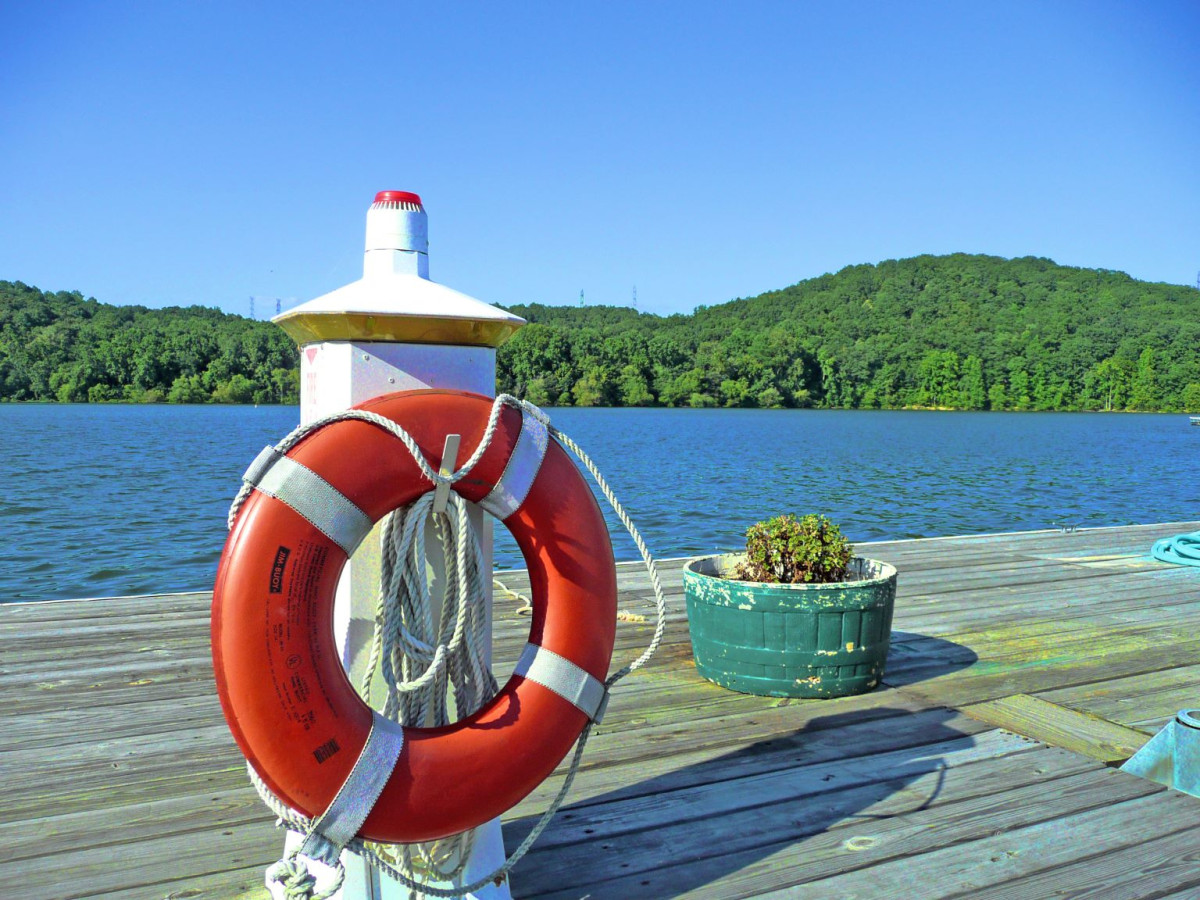 As temperatures rise, swimming outdoors can seem like the perfect way to cool down. But swimming in open water — like rivers, lakes, reservoirs, or the sea — carries serious risks, especially for children and young people.
The Child Death Review Team has reported that teenagers are proportionately more likely to lose their lives to drowning
when temperatures exceed 25C, so it’s vital that everyone knows the risks associated with open water swimming.
If you work with children and families, or if you care for any children, make sure you’re sharing guidance on how to stay safe with them.
Know the Risk Factors:
🌊 Cold Water Shock
Even on a hot day, open water can be cold enough to cause a sudden, involuntary gasp for air, muscle cramps, and panic. This reaction, known as cold water shock, can quickly overwhelm even confident swimmers.
🌊 Strong Currents
Fast-moving water, tides, or undercurrents can easily sweep swimmers away — often faster than they can react or escape. These forces are unpredictable and can be fatal.
🌊 Hidden Hazards
Open water often hides submerged rocks, rubbish, sudden drops, tangled weeds, and other unseen dangers. These can cause injury, entrapment, or panic.
Remember – if you find yourself in danger in open water, stay calm, lean back and float.
Advice for Parents and Young People
-
Supervise children closely around any body of water — even if it seems shallow or calm.
-
Avoid swimming in open water unless it’s a designated, lifeguarded area.
-
Talk openly to young people about the dangers and encourage them to think before entering the water.
-
Encourage safe alternatives like swimming pools or organized water activities with supervision.
Staying safe doesn’t mean missing out on fun — it means making informed, smart choices when it comes to water.
Further guidance and resources
For more advice life-saving water safety tips, visit the Royal Life Saving Society UK (RLSS) website.
Going on holiday? Check out the Child Accident Prevention Trust’s guidance on staying safe away from home.